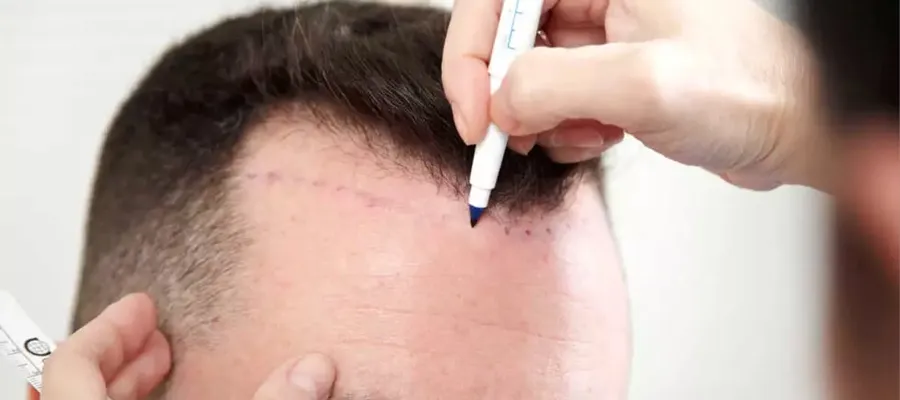
FUE hair transplant is a popular method for restoring hair, and it is widely offered in Denmark. This method involves the extraction of individual hair follicles from a donor area, typically the back of the scalp, and then transplanting them to the areas with hair loss. FUE is known for being less invasive than other hair transplant techniques, leaving minimal scarring and offering natural-looking results.
In Denmark, there are several reputable clinics offering FUE hair transplant services, utilizing advanced technologies and highly skilled surgeons. The procedure is well-regulated, ensuring that patients receive high-quality care and results. Patients seeking FUE hair transplants in Denmark can expect to find modern clinics equipped with the latest tools and experienced professionals.
To get a FUE hair transplant Denmark, it is essential to schedule an initial consultation with a certified surgeon who specializes in hair restoration. During the consultation, the surgeon will assess your hair loss pattern, determine if you are a suitable candidate for FUE, and discuss your aesthetic goals. The clinic will also provide detailed information about the procedure, recovery, and expected outcomes.
How To Get A FUE Hair Transplant In Denmark
To get a FUE hair transplant in Denmark, the first step is to research clinics that specialize in hair restoration. Look for clinics with experienced surgeons, verified credentials, and positive patient feedback. Once you’ve chosen a clinic, schedule a consultation where we’ll assess your hair loss, evaluate the donor area, and determine if FUE is the right method for you. We’ll also explain the procedure in detail and answer your questions.
If you’re a suitable candidate, we’ll help plan your surgery date. On the day of the procedure, local anesthesia will be applied, and we’ll begin extracting individual follicles for transplantation. The process is precise and requires several hours, depending on how many grafts you need. After surgery, we provide full aftercare guidance and schedule follow-up visits to monitor your recovery and hair growth progress.
FUE Transplant Method
FUE (Follicular Unit Extraction) is a modern hair restoration technique where we extract hair follicles one by one from the back or sides of your scalp — areas typically resistant to hair loss. These follicles are then implanted into the thinning or bald areas with precision, using tiny incisions that heal quickly and leave minimal scarring.
This method is minimally invasive and suitable for many types of hair loss, including male pattern baldness, female thinning, and scarring. Because we extract each follicle individually, we can choose the best quality hairs for natural-looking results. Recovery is fast, and the technique allows for short hairstyles post-surgery without visible scarring.
FUE Hair Transplant Denmark: How Long Does It Take?
The duration of a FUE hair transplant depends on the number of grafts needed and the size of the area being treated. On average, the procedure takes between 4 to 8 hours. In cases where more grafts are required, we may divide the procedure across two days for optimal comfort and accuracy.
Most patients go home the same day. You may experience some redness or swelling in the treated areas, which usually resolves within a few days. Full results take time, as the transplanted hairs shed initially before entering a new growth phase. Visible improvement typically begins in a few months, with final results seen within 12 months.
Is FUE Hair Transplant Painful?
FUE hair transplant is generally not considered painful, as the procedure is performed under local anesthesia. This means that the patient will be awake and alert during the procedure but will not feel any pain in the donor or recipient areas. The anesthesia numbs the scalp, ensuring that the patient is comfortable throughout the entire process.
While there may be some mild discomfort during the injection of the local anesthesia, this is typically short-lived. After the procedure, some patients may experience minor pain or soreness in the donor and recipient areas, but this can usually be managed with over-the-counter pain relievers. Most patients report minimal discomfort during the recovery period.
What is the difference between FUE hair transplantation?
FUE (Follicular Unit Extraction) hair transplantation is a modern technique used for restoring hair in individuals suffering from hair loss. The main difference between FUE and older hair transplant methods, such as FUT (Follicular Unit Transplantation), is the way hair follicles are harvested and transplanted.
In FUE, individual hair follicles are extracted directly from the donor area, typically from the back or sides of the scalp, using a small circular punch tool. This process results in tiny, dot-like scars in the donor area, which are usually not visible even with short haircuts. The extracted follicles are then transplanted into the recipient area, where hair loss has occurred. FUE is known for its minimally invasive nature, with no need for large incisions, making it less invasive and resulting in less post-surgery discomfort.
On the other hand, FUT involves removing a strip of scalp from the donor area, which leaves a linear scar. The hair follicles are then dissected from the strip and transplanted. While FUT may be suitable for individuals who require a larger number of grafts, it comes with a more noticeable scar and a longer recovery time compared to FUE.
FUE has become a popular choice for individuals seeking a natural look and minimal scarring. It is a more advanced and precise technique that offers better cosmetic results and a quicker recovery time. Additionally, FUE is generally recommended for those with limited hair loss or who prefer the option of having shorter hairstyles post-transplantation.
Things to Consider About FUE Hair Transplantation
Before undergoing FUE hair transplantation, there are several factors to consider to ensure you are well-prepared and know what to expect.
Suitability for FUE: FUE may not be suitable for everyone. Your surgeon will assess the condition of your hair, the extent of hair loss, and the availability of donor hair. The quality and density of your donor area play a critical role in determining whether FUE will work for you. If your hair loss is too advanced, other options, such as FUT or alternative treatments, may be considered.
Surgeon’s Experience: Choosing an experienced surgeon who specializes in hair restoration procedures is crucial for achieving the best results. A skilled surgeon will know how to extract follicles carefully and implant them at the right angles, which is essential for ensuring natural-looking results.
Realistic Expectations: FUE hair transplantation can significantly improve the appearance of your hair, but it is important to have realistic expectations. It can take several months for the newly transplanted hair to grow, and the final results may not be fully visible for up to a year.
Recovery Process: The recovery process for FUE is typically quick, but you must follow the aftercare instructions carefully. Your surgeon will provide guidance on how to care for your scalp, avoid infections, and promote proper healing. You may experience some swelling or redness for a few days following the procedure.
Cost Considerations: The cost of FUE can vary depending on the clinic, the number of grafts required, and other factors. It’s important to discuss pricing in advance and ensure you understand the total cost, including follow-up appointments and any necessary medications.
Long-term Maintenance: While FUE offers permanent hair restoration, it’s essential to maintain healthy hair post-transplant. Follow a proper hair care routine and consider using medications like minoxidil or finasteride to maintain your results over time.
What are the complications and risks?
While FUE hair transplantation is generally considered a safe and effective procedure, there are some potential complications and risks that patients should be aware of. These include:
Infection: As with any surgical procedure, there is a risk of infection. This can occur if proper hygiene is not maintained or if aftercare instructions are not followed carefully. Infections are rare, but they can be managed with antibiotics if detected early.
Bleeding and Swelling: Bleeding is minimal in FUE, but some patients may experience slight bleeding in the donor or recipient areas. Swelling in the forehead or around the eyes is common after the procedure but typically resolves within a few days.
Scarring: Although FUE is known for leaving minimal scarring, there is still a risk of visible scars, especially if the donor area is shaved or if there are complications during the extraction process. In most cases, the scars are small and dot-like, but they may become noticeable if not properly cared for.
Shock Loss: After the procedure, some patients may experience “shock loss,” which is temporary hair shedding in the transplanted or existing hair. This is usually temporary, and the hair will typically regrow within a few months. However, it’s important to be aware of this possibility and manage expectations.
Unsatisfactory Results: While FUE provides natural-looking results in most cases, some patients may not achieve the desired level of hair density or coverage. This could be due to such factors as insufficient donor hair, poor graft survival, or inaccurate placement of the follicles.
Numbness or Tingling: Some patients report experiencing temporary numbness or tingling in the scalp after the procedure. This usually resolves on its own after a few weeks, but it can be a cause for concern for some individuals.
How many days does it take for FUE hair transplantation to heal?
The recovery time after FUE hair transplantation is relatively quick compared to other hair restoration techniques. Most patients are able to return to their normal activities within 3 to 5 days after the procedure. However, the full healing process can take several weeks, with the transplanted hair undergoing a shedding phase followed by new growth.
Here’s a general timeline for the healing process after FUE hair transplantation:
Day 1 to 3: Immediately after the procedure, you may experience mild swelling and redness around the transplant sites. The donor area may feel tender, and there may be some scabbing in both the donor and recipient areas. These effects are usually temporary and subside within a few days.
Week 1: Most patients can return to work after about 5 to 7 days. The scabs from the transplanted follicles will begin to fall off, and any redness should start to fade. It’s essential to avoid any strenuous physical activity or rubbing the transplanted area to allow for proper healing.
Week 2 to 4: By the end of the first month, the majority of the swelling and redness should have resolved. The transplanted hair may start to shed, which is a normal part of the hair growth cycle. This shedding phase can last a few weeks, and new hair will begin to grow from the follicles shortly after.
Months 2 to 6: During this period, you will start to see the first signs of new hair growth, though it may be sparse at first. Full results are still not visible, and you may need to be patient during this time.
Months 6 to 12: It can take up to a year for the transplanted hair to fully mature and for the final results to be visible. The hair will continue to grow, and the density will increase as the follicles settle in.
How Long Does It Take to See FUE Hair Transplant Results?
After an FUE hair transplant, results do not appear right away. In the first few weeks, it is normal for the transplanted hairs to shed — this is part of the healing process and shows that the follicles are settling into place. New growth usually starts around the third or fourth month. At first, the hair may look thin or soft, but it will thicken gradually as the months go on.
By the sixth month, most patients begin to see clear improvement, but the full result often takes up to a year. Every individual heals differently, and factors like hair growth cycles, donor hair quality, and general health all play a role in the final outcome. We advise patients to be patient during this period, as the follicles need time to mature and produce strong, healthy hair.
FUE Transplant Recovery Time
Recovery after an FUE hair transplant is typically quick and straightforward. Most patients return to daily routines within 3 to 5 days, though we recommend avoiding intense physical activity for about two weeks. Mild swelling, redness, or discomfort in the donor and recipient areas is normal and usually fades within the first few days. Small scabs may form as the grafts heal, and these will fall off naturally. It’s also common to experience temporary shedding or “shock loss” around the second or third week — this is a normal part of the process.
As the scalp heals, new hair growth begins within a few months. We provide detailed aftercare instructions, including how to protect the scalp from sunlight, how to wash the hair gently, and what medications to use if needed. Avoid scratching or picking at the area to prevent damage to the grafts. With proper care, most patients begin to see visible improvement by 6 months, with full results typically achieved within 12 months.
FUE Hair Transplant Denmark Cost 2026
The cost of FUE hair transplantation in Denmark in 2026 depends on several factors, including the number of grafts needed, the clinic’s location, and the surgeon’s experience. On average, prices range between 15,000 and 35,000 DKK, but this can increase for larger procedures or if you choose a top-tier clinic. Some clinics charge per graft, while others offer package pricing based on the treatment plan.
Additional factors that affect pricing include whether the cost covers consultation, follow-up appointments, medications, and aftercare products. Clinics in major cities like Copenhagen or Aarhus may have higher rates due to demand and the availability of experienced specialists. If you’re traveling for treatment, consider accommodation and travel costs as well. For exact pricing based on your needs, we recommend booking a personal consultation. FUE hair transplant Denmark cost 2026 – contact us today for details.
Frequently Asked Questions (FAQ)
Can FUE Hair Transplant Be Combined With Other Treatments?
Yes, FUE hair transplantation can be combined with treatments such as PRP (Platelet-Rich Plasma) therapy or medications like minoxidil and finasteride. These supportive treatments can enhance graft survival, improve scalp health, and stimulate natural hair growth. We often recommend them to strengthen results, especially in patients with ongoing hair thinning.
How Soon Can I Wash My Hair After FUE Transplant?
You can typically start washing your hair gently within 2 to 3 days after the procedure, using a mild, surgeon-recommended shampoo. It’s crucial to follow specific washing techniques to avoid disturbing the grafts. We provide detailed instructions on how to pat-dry and care for the area to promote healing and reduce the risk of infection.
Does FUE Work for Beard and Eyebrow Transplants Too?
Yes, the FUE technique is also suitable for facial hair restoration, including beard and eyebrow transplants. The process is the same — extracting follicles from the scalp and implanting them in the desired facial area. The precision of FUE allows for natural angles and density that blend with existing facial hair.
Is Shaving Required Before FUE Hair Transplant?
In most cases, shaving the donor area is necessary to allow precise extraction of hair follicles. However, for smaller procedures or female patients, partial or no shaving may be an option depending on the technique used. We discuss the best approach during your consultation to match your comfort and the needs of the procedure.
Can FUE Hair Transplant Fail?
While FUE is highly effective, factors such as poor post-op care, underlying health issues, or inexperienced surgical technique can affect graft survival. Choosing a skilled, certified surgeon and closely following aftercare instructions greatly reduces the risk of failure. Most patients achieve satisfying, long-lasting results when the procedure is properly managed.
Are The Results From FUE Hair Transplant Permanent?
Yes, the transplanted hair follicles are taken from areas resistant to hair loss (usually the back of the scalp), so they typically grow permanently in their new location. However, natural aging or untreated underlying conditions may still affect surrounding non-transplanted hair, which may require further treatment in the future.