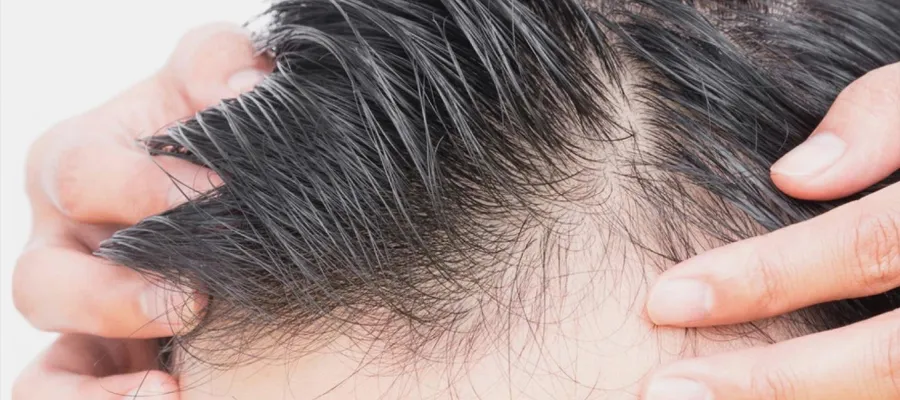
Unshaven hair transplantation has gained popularity in recent years, particularly among individuals who wish to avoid the need to shave their hair completely before undergoing the procedure. This technique allows patients to have hair transplantation without the noticeable change in appearance that shaving the head typically causes. Denmark, known for its advanced medical techniques and top-tier healthcare services, offers high-quality unshaven hair transplant options for those who are interested in this approach.
The primary advantage of unshaven hair transplantation is that it allows patients to maintain their usual appearance during the healing process, which can be important for those with professional or personal reasons for not wanting to shave their hair. This procedure has evolved with the advancement of hair restoration technology, making it more accessible and popular.
How is Unshaven Hair Transplantation Done in Denmark?
The unshaven hair transplant Denmark is typically done using specialized techniques that allow the hair to be extracted and transplanted without the need for shaving the donor or recipient areas. The most commonly used methods include the FUE (Follicular Unit Extraction) and DHI (Direct Hair Implantation) techniques, which are performed with great precision to ensure minimal scarring and natural results.
FUE Technique: FUE hair transplant involves extracting hair follicles one by one from the donor area using a small punch tool. In an unshaven procedure, only a small part of the donor area is shaved, usually to facilitate the extraction process, while the rest of the hair remains unshaved. The follicles are then implanted into the recipient area using tiny incisions.
DHI Technique: DHI is a more advanced hair transplant method, where hair follicles are implanted directly into the recipient area using a special pen-like instrument called the Choi Implanter Pen. This technique allows for greater precision in placement and is ideal for patients who wish to avoid shaving their hair. The process is minimally invasive, and recovery is relatively quick.
During the procedure, the surgeon takes extra care to ensure that the remaining hair is not disturbed, and the new hair follicles are carefully placed to blend seamlessly with the existing hair. This method is perfect for individuals who need to return to work or social settings quickly and want to avoid the conspicuous shaved appearance of traditional hair transplants.
What Are The Most Popular Methods For Unshaven Hair Transplantation In Denmark?
Unshaven transplantation methods such as FUE (Follicular Unit Extraction) and DHI (Direct Hair Implantation) are increasingly used in Denmark for patients who prefer to keep their existing hairstyle. The unshaven FUE method allows follicles to be harvested with only minimal shaving in the donor zone, while the rest of the hair remains intact. This ensures that visible signs of treatment are reduced.
In the DHI technique, harvested follicles are implanted using a Choi Implanter Pen, which offers precise control over angle and placement without pre‑made incisions. Because the surrounding hair covers the treated areas, this method is especially suited to those seeking discreet treatment and faster social recovery.
Is Hair Transplantation Without Shaving Possible?
Yes—transplantation without full head shaving is possible and is becoming a popular choice in Denmark for those wishing to avoid a change in appearance during the healing phase. Only small patches of the donor site may be trimmed, or none at all, enabling the patient to present a natural look immediately after surgery.
Techniques like unshaven FUE and DHI accommodate this preference with precision‑oriented extraction and implantation. While the procedure may take slightly longer, the benefit is that the surrounding hair conceals the treatment sites, making the recovery and return to normal life more comfortable.
What Can Be Done To Avoid Shaving Before Hair Transplantation?
One option is clearly specifying preference for an unshaven technique during your consultation. In many cases, the donor area will only be partially shaved or trimmed, while the rest of the hair remains untouched to preserve your appearance.
Another strategy involves limiting the number of grafts or focusing treatment on smaller recipient areas so that shaving can be minimized. Discussing hair length, style goals and donor‑hair availability with the surgeon helps determine whether the unshaven approach is feasible in your case.
Why Is Unshaven Hair Transplantation Preferred?
Many patients prefer the unshaven approach because it preserves their normal hairstyle and avoids a visible change during recovery. With most of the hair left intact, social and professional routines can continue uninterrupted.
The method also offers discreet healing since the treated zones are less exposed and covered by adjacent hair. Less visible scarring, quicker return to public life and minimal disruption make this a strong option for those with busy schedules or high visibility roles.
Healing Process After Unshaven Hair Transplantation
Healing after an unshaven transplant is generally faster and less obvious compared to traditional shaved methods. Initial signs such as redness or swelling usually resolve within a few days, with many patients returning to routine activities in about a week.
Scabbing around the graft sites may occur during the first month but is typically hidden by the surrounding hair. As the transplanted follicles begin growing, they merge naturally with existing hair. Full hair‑growth maturity takes several months, but the visual transition is more seamless.
What Are The Advantages Of Unshaven Hair Transplantation?
Unshaven transplantation allows patients to maintain their hairstyle before, during and after the procedure, reducing self‑consciousness and disruption. The existing hair provides immediate coverage of the donor and recipient areas, increasing privacy during recovery.
Because techniques like FUE and DHI create minimal scarring and preserve surrounding hair, the cosmetic result appears highly natural with less visible evidence of surgery. Shorter visible recovery time and more immediate normalcy make it attractive to many candidates.
Disadvantages Of Unshaven Hair Transplantation Method
This approach can require more time in the surgical suite because the surgeon must work more precisely around surrounding hair. The longer procedure may result in higher cost and a slightly slower overall process.
Additionally, because the donor area is not fully exposed, the number of grafts that can be harvested may be limited. Patients with extensive hair loss or thin donor hair may not achieve the same volume that a conventional shaving method might allow. Some hair types may not suit the unshaven technique as well.
Who Can Undergo Unshaven Hair Transplantation?
Candidates for unshaven hair transplantation typically have a moderate area of hair loss, sufficient donor hair and an existing hair length or style that can cover the treatment zones. The presence of thicker surrounding hair helps conceal small treated areas.
Because the technique relies on existing hair for coverage during healing, it is less suited to individuals with diffuse thinning, very short hair, or minimal donor reserves. A consultation will determine whether this method aligns with the patient’s hair type, loss pattern and style preferences.
What Are The Differences Between Unshaved Hair Transplantation And Shaved Hair Transplantation?
In shaved transplantation the donor and often recipient sites are fully trimmed or shaved to allow maximum visibility and easier access for follicles. This method offers maximal graft access but involves visible signs during healing.
Unshaven transplantation keeps most of the hair intact, making the process less visible and preserving hairstyle. However, it restricts access slightly, can take longer, and may limit graft numbers for extensive loss. The choice depends on hair loss stage, donor supply and the patient’s preference for appearance during recovery.
Unshaven Hair Transplant Denmark Cost 2026
The cost of unshaven hair transplantation in Denmark in 2026 varies depending on clinic reputation, number of grafts, method (FUE/DHI) and surgeon expertise. On average, it ranges from DKK 25,000 to DKK 40,000 (approximately USD 3,500 to USD 5,500).
This pricing typically includes consultation, procedure and follow‑up care. Clinics may charge more for advanced unshaven techniques due to added time and precision. Travel, accommodation and after‑care product costs should also be factored in when planning.
Frequently Asked Questions (FAQ)
Is The Unshaven Method Suitable For Very Short Hair?
If you have very short hair or minimal donor hair, the unshaven technique may be less suitable because the existing hair may not provide sufficient coverage of the donor/recipient zones. A consultation will help determine what method fits best.
Does The Unshaven Approach Increase Risk Of Follicle Damage?
Because the surgeon must work around intact surrounding hair, the extraction and implantation process is more delicate and may carry a slightly increased risk of follicle damage if not executed with precision. Choosing an experienced surgeon reduces this risk.
Will I Notice A Difference On The Donor Area With Unshaven Hair Transplantation?
In most cases the donor area appears unchanged because the surrounding hair conceals the small extraction sites. The minimal shaving or trimming required is usually not visible once the hair settles.
How Much Longer Does An Unshaven Procedure Take Compared To Traditional Methods?
Unshaven procedures often require additional time due to the need to work carefully around existing hair and preserve appearance integrity. The session may therefore last longer than a shaved‑head approach.
Is Recovery Faster With Unshaven Hair Transplantation?
Yes, in terms of appearance the healing is often faster because the untreated hair covers the surgical sites. You may return to social or professional life sooner, but biological healing still requires the same time for follicles to settle.
Are Costs Higher For Unshaven Hair Transplantation?
Typically yes. The extra time, higher precision and specialist techniques involved often mean higher costs compared to standard shaved‑head transplants. The price depends on graft count, method and surgeon expertise.
Can All Hair Types Use Unshaven Hair Transplantation?
No. Unshaven transplantation tends to work best for patients with thicker, denser existing hair capable of masking donor/recipient zones during recovery. Fine, sparse hair may not provide the necessary coverage.
Is It Possible To Harvest As Many Grafts With Unshaven Technique As With Shaved One?
In general, fewer grafts may be harvested in unshaven procedures because access to the donor site is somewhat restricted by surrounding hair and the need to preserve hairstyle. Extensive hair loss may require a shaved approach for more grafts.
Does The Unshaven Method Affect Long‑Term Growth Results?
No. Provided the transplantation is performed by a skilled surgeon, the long‑term growth outcomes are equivalent to conventional methods. The main difference is in appearance during healing, not in biological success.
How Should I Care For My Scalp After An Unshaven Transplant?
Gentle shampooing, avoiding tight hairstyles and direct sunlight, and following all after‑care instructions remain vital. Because the surrounding hair is intact, care focuses on protecting new grafts without disrupting existing hair.