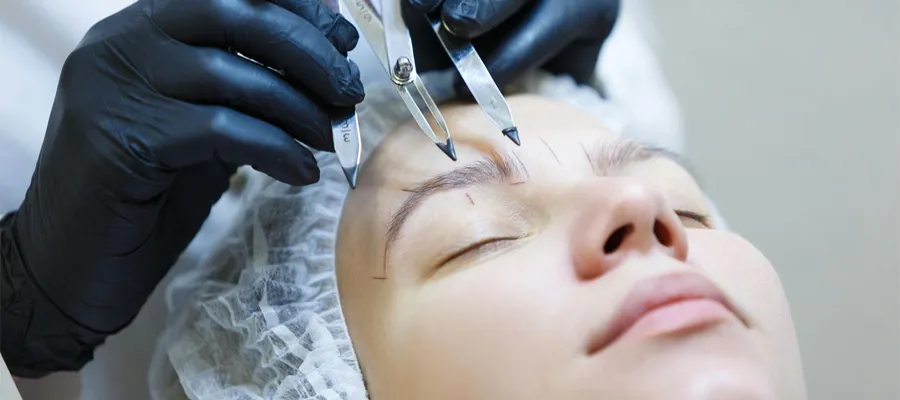
Eyebrow transplant in Denmark is a highly effective solution for patients who have thinning or missing eyebrows due to genetics, over-plucking, aging, or medical conditions. In our clinic, we restore natural-looking brows by transplanting healthy hair follicles from the back of the scalp directly into the eyebrow area. Before the procedure, we carefully assess your facial structure and desired brow shape to design a personalized treatment plan that complements your features.
The procedure is performed under local anesthesia to ensure your comfort. Using advanced techniques such as FUE or DHI, we extract individual hair follicles and implant them with precision, following the natural angle and direction of your existing eyebrow hairs. This allows us to create soft, full brows that blend seamlessly. After the treatment, we provide detailed aftercare instructions to support healing and encourage strong, lasting growth.
How is Eyebrow Transplantation Done in Denmark?
Eyebrow transplant Denmark is typically performed using advanced hair transplant techniques, such as Follicular Unit Extraction (FUE) or Direct Hair Implantation (DHI). The procedure begins with a thorough consultation with the surgeon, during which the patient’s medical history, eyebrow goals, and overall expectations are discussed.
The first step in the process is to harvest the donor hair, which is usually taken from the back of the head. This area is chosen because the hair tends to have a similar texture and color to the eyebrows, ensuring a natural result. Using the FUE or DHI method, individual hair follicles are extracted with minimal scarring.
In the DHI method, specialized tools are used to directly implant the hair follicles into the eyebrow area. The surgeon carefully places the follicles in a way that mimics the natural direction of the existing eyebrow hair. In FUE, the surgeon creates small incisions in the recipient area, after which the harvested follicles are placed into these incisions. Both methods offer a minimally invasive way to achieve natural and aesthetic eyebrow results.
The procedure is performed under local anesthesia, ensuring that the patient experiences minimal discomfort. The entire process typically takes a few hours, depending on the number of grafts required. After the surgery, patients may experience slight swelling or redness in the eyebrow area, but these symptoms generally subside within a few days.
Most Used Techniques for Eyebrow Transplant Denmark
The two most commonly used techniques for eyebrow transplants in Denmark are Follicular Unit Extraction (FUE) and Direct Hair Implantation (DHI). Both methods are minimally invasive and provide excellent results when performed by experienced surgeons.
Follicular Unit Extraction (FUE): This technique involves the extraction of individual hair follicles from the donor area (typically the back of the head) using a small, specialized punch tool. The follicles are then carefully transplanted into the eyebrow region. The FUE technique is highly effective for eyebrow restoration, offering natural-looking results without the need for linear incisions, resulting in minimal scarring.
Direct Hair Implantation (DHI): DHI is a more advanced technique where hair follicles are implanted directly into the recipient area using a specialized implanter pen. This method eliminates the need for creating incisions beforehand, reducing the risk of trauma to the follicles and ensuring a higher rate of survival for the transplanted hair. DHI allows for more precision and control during the procedure, leading to a more natural eyebrow shape and density.
Both techniques offer their advantages, and the choice of method depends on the patient’s specific needs and preferences. FUE tends to be a more affordable option, while DHI is often considered the gold standard for its precision and minimal downtime. In either case, the goal is to create eyebrows that are well-defined, natural-looking, and suit the patient’s facial structure.
Who is Suitable for Eyebrow Transplant Denmark?
Not everyone is a suitable candidate for an eyebrow transplant in Denmark. Ideal candidates are those who have thinning or sparse eyebrows due to factors such as over-plucking, aging, or medical conditions like alopecia. The transplant procedure can restore volume and shape to the eyebrows, creating a fuller, more defined appearance.
Good candidates for eyebrow transplants typically meet the following criteria:
Healthy Hair Follicles: The patient should have a sufficient number of healthy hair follicles in the donor area (usually the scalp) to provide grafts for the transplant.
Stable Health: Candidates should be in good overall health. Those with active infections or certain medical conditions may need to postpone the procedure or undergo a medical evaluation to ensure it is safe.
Realistic Expectations: Candidates should have realistic expectations about the results of the transplant. While eyebrow transplants can significantly enhance the appearance of the eyebrows, the final results may take several months to fully manifest.
Age Consideration: Eyebrow transplantation is typically suitable for individuals over the age of 18, as younger patients may still change in their hair growth patterns. However, there is no upper age limit as long as the patient is in good health.
No Active Skin Conditions: Candidates should not have any active skin conditions or infections in the eyebrow area, as these can complicate the healing process.
Is Eyebrow Transplant Operation Safe in Denmark?
Eyebrow transplantation in Denmark is generally considered a safe and effective procedure when performed by experienced and qualified surgeons. The technique is minimally invasive and typically involves little to no scarring, making it a preferred choice for individuals seeking to enhance the appearance of their eyebrows. Denmark has a strong reputation for medical tourism, particularly in cosmetic surgery, and many clinics in the country are equipped with the latest technology and adhere to high safety standards.
During the procedure, local anesthesia is used to ensure that the patient remains comfortable throughout the surgery. The surgeon extracts healthy hair follicles from a donor area, usually the back of the head, and implants them into the eyebrow region. Because the procedure is minimally invasive, the risk of complications is relatively low, provided that the patient follows the aftercare instructions and the procedure is carried out by a trained professional.
That being said, as with any medical procedure, there are always inherent risks, such as infection, scarring, or poor graft survival. Choosing a certified and experienced surgeon is critical to minimize these risks. A thorough consultation with a specialist will help assess your suitability for the procedure and ensure the best possible outcome.
How Many Days Does the Eyebrow Transplantation Process Take in Denmark?
The eyebrow transplantation process in Denmark typically takes a few hours, depending on the complexity of the procedure and the number of grafts required. On average, the entire procedure lasts between 3 to 6 hours. This includes the time spent extracting the donor hair follicles and implanting them into the eyebrow area.
The procedure begins with a consultation to discuss your desired eyebrow shape and the number of grafts needed. After administering local anesthesia, the surgeon will extract hair follicles from the donor area (usually the scalp) using methods like FUE (Follicular Unit Extraction) or DHI (Direct Hair Implantation). The follicles are then carefully placed into tiny incisions made in the eyebrow region to create a natural look.
Although the procedure is relatively quick, the recovery period after eyebrow transplantation can vary. Typically, patients are advised to rest and avoid strenuous activities for a few days. The healing process, including the shedding of transplanted hair and regrowth, can take several months, with final results becoming visible after about 6 to 12 months.
Who Should Have Eyebrow Transplantation?
Eyebrow transplantation is a suitable option for individuals who have lost their eyebrow hair due to various reasons, such as over-plucking, genetics, aging, or medical conditions like alopecia. People who want fuller, more defined eyebrows or need to restore the shape and volume of their brows are ideal candidates for the procedure.
Additionally, candidates for eyebrow transplantation should meet the following criteria:
Healthy Donor Area: Candidates must have sufficient healthy hair follicles in the donor area, usually the scalp, to ensure successful transplantation.
Good Health: Overall health plays a significant role in the success of the procedure. Patients should not have any active infections or serious medical conditions that could interfere with healing.
Realistic Expectations: Eyebrow transplants can create natural and aesthetically pleasing results, but patients must have realistic expectations about the outcome. The final result is gradual, and full regrowth may take several months.
Age Consideration: There are no strict age limitations, but candidates should be over 18 years old, as younger individuals may still experience changes in their eyebrow growth patterns.
If you are experiencing eyebrow thinning or loss, consulting with a qualified specialist is the first step to determine if eyebrow transplantation is the right choice for you.
What is Eyebrow Transplantation with Hair Technique?
Eyebrow transplantation with hair technique refers to a method in which hair follicles are taken from a donor area, such as the scalp, and transplanted into the eyebrow region. This procedure allows for the creation of fuller and more natural-looking eyebrows by using the patient’s own hair, ensuring that the transplanted hairs blend seamlessly with existing eyebrow hairs.
The process of eyebrow transplantation with hair involves several stages:
Consultation: The surgeon assesses the patient’s facial features, desired eyebrow shape, and hair loss pattern to develop a personalized treatment plan.
Extraction of Donor Hair: Using techniques like FUE or DHI, the surgeon extracts individual hair follicles from the donor area (typically the back of the head), where hair grows similarly in texture and color to eyebrow hairs.
Implantation: The extracted hair follicles are then carefully implanted into tiny incisions in the eyebrow region, following the natural growth direction of the existing eyebrow hairs.
The result is a more natural, fuller look with hair that mimics the texture and growth pattern of natural eyebrow hair. The use of the patient’s own hair for the transplant ensures the best possible match and avoids rejection.
How Many Days Does Eyebrow Transplantation Take to Heal?
The healing process after eyebrow transplantation typically takes several days to a few weeks. During the first few days, you may experience mild swelling, redness, and scabbing in the eyebrow region, but these symptoms generally subside within 7 to 10 days. It is important to follow the aftercare instructions carefully to minimize the risk of complications.
The initial recovery phase involves avoiding activities that may irritate the eyebrow area, such as heavy exercise, direct sun exposure, and rubbing or scratching the transplanted area. Most people can return to their normal daily activities within a few days, but it is essential to rest and avoid any activities that could disturb the healing process.
How Long Does Eyebrow Transplantation Take?
Eyebrow transplantation is a relatively quick and straightforward procedure, usually completed within 3 to 6 hours depending on the number of grafts and the level of detail required. We begin with a thorough consultation to design the ideal eyebrow shape that suits your facial features. After administering local anesthesia for your comfort, we extract healthy hair follicles from the donor area — typically the back of your scalp — using techniques like FUE or DHI.
Once the follicles are ready, we implant them one by one into the eyebrow area, carefully following your natural hair direction to achieve the most realistic look. DHI allows for even greater precision but may take slightly longer due to the meticulous placement involved. After the procedure, you’ll rest briefly in the clinic before going home the same day. Initial healing takes about a week, while full results gradually appear over several months as the new hair grows in.
Is Eyebrow Transplantation Permanent?
Eyebrow transplantation is considered a permanent solution for patients experiencing eyebrow hair loss. Since we use your own hair follicles — typically from the scalp — these transplanted hairs retain their natural growth characteristics and continue to grow in the eyebrow area over time. Once the follicles take root and healing is complete, the new hairs will behave like any other hair on your body, providing long-lasting, natural-looking results.
That said, it’s normal for hair to go through natural growth cycles, so some minor thinning or shedding may occur over the years, especially due to aging or hormonal changes. To maintain the best results, we recommend following the aftercare instructions closely — avoid direct sun exposure, don’t rub or scratch the area, and take care of your overall health to support hair growth. With proper care, most patients enjoy fuller, well-shaped eyebrows for many years.
Eyebrow Transplant Denmark Cost 2026
The cost of eyebrow transplantation in Denmark in 2026 can vary significantly depending on a number of factors, including the clinic’s location, the surgeon’s experience, and the number of grafts required. On average, eyebrow transplant procedures in Denmark may range from 15,000 DKK to 30,000 DKK for both eyebrows.
Several factors can influence the final price. For example, more experienced surgeons with specialized expertise in eyebrow transplantation may charge higher fees. Similarly, clinics that offer advanced technologies or techniques, such as Direct Hair Implantation (DHI) or Follicular Unit Extraction (FUE), may also have higher rates.
In addition to the surgeon’s fees, patients should consider other potential costs, such as consultation fees, aftercare products, and follow-up appointments. Some clinics may offer packages that include all of these services, while others may charge separately for each component.
Frequently Asked Questions (FAQ)
What Will The Appearance Be Like After Eyebrow Transplantation?
In the first few days after eyebrow transplantation, it’s normal to see some swelling, redness, or scabbing in the treated area. These temporary effects can make the brows look slightly uneven, but they usually resolve within a week. Shortly after healing begins, the transplanted hairs may shed — this is a natural part of the growth cycle and indicates that the follicles are adjusting to their new position.
New hair growth typically starts around the third or fourth month. At first, it may be fine or sparse, but it gradually thickens and takes on a more natural appearance. By 6 to 12 months, the full results are visible, with the brows blending seamlessly into your natural features. The final look depends on your hair type, how well you follow aftercare, and the precision of the surgical technique.
Does Eyebrow Transplantation Look Natural?
Yes, when done by an experienced surgeon, eyebrow transplantation looks very natural. We use your own scalp hair, selecting follicles that closely match your natural brow hair in thickness and texture. Each follicle is implanted one by one in the direction of natural growth to recreate a realistic shape.
Advanced techniques like FUE and DHI allow us to control the angle, depth, and placement of each graft with precision. The shape of your eyebrows is customized based on your facial proportions, ensuring harmony with your appearance. With proper healing and care, the results are nearly indistinguishable from natural eyebrow hair.
Who Shouldn’t Have Eyebrow Transplantation?
Not everyone is a suitable candidate for eyebrow transplantation. Patients with active skin conditions like eczema or psoriasis in the eyebrow area should wait until the skin is fully healed. The same applies to those with infections or inflammation in the treatment zone.
Those with autoimmune conditions such as alopecia areata or lupus may have inconsistent hair growth, affecting the success of the transplant. If you have limited donor hair or untreated hormonal imbalances, we recommend resolving those issues before considering the procedure. Commitment to aftercare is also critical — without proper healing, even a well-done transplant may not succeed.
How Many Grafts Are Required For Eyebrow Transplantation?
Most eyebrow transplants require between 200 to 400 grafts per brow, depending on how much restoration is needed and the fullness you’re aiming for. During your consultation, we evaluate your eyebrow area, donor hair quality, and aesthetic goals to determine the exact number of grafts needed.
For sparse brows, fewer grafts may be enough to fill gaps. For full reconstruction or denser results, more grafts are placed strategically. Our goal is to recreate the natural arch, thickness, and flow of your brows using carefully selected and positioned hair follicles for the most natural outcome.