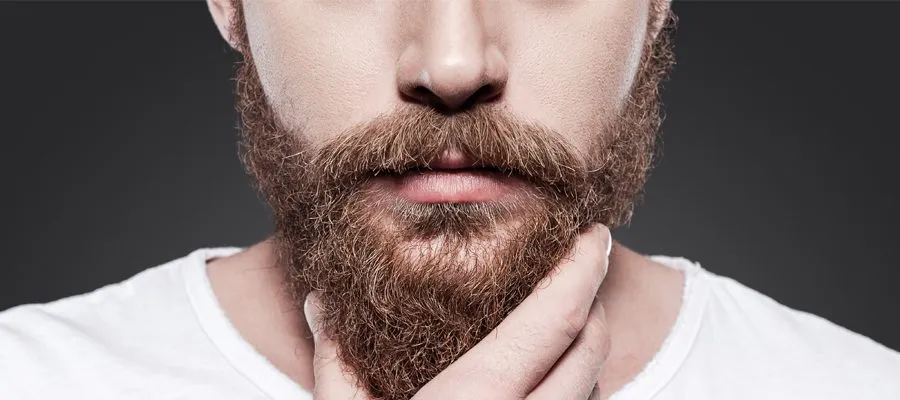
A beard transplant moves hair follicles to areas of the beard and moustache that are thin, patchy or do not grow at all. The follicles are usually taken from the back of the head and implanted following the natural direction of the beard.
How is a beard transplant performed?
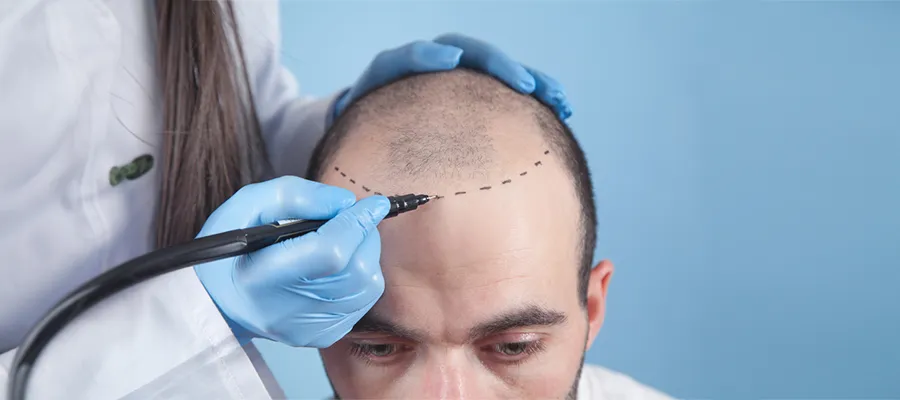
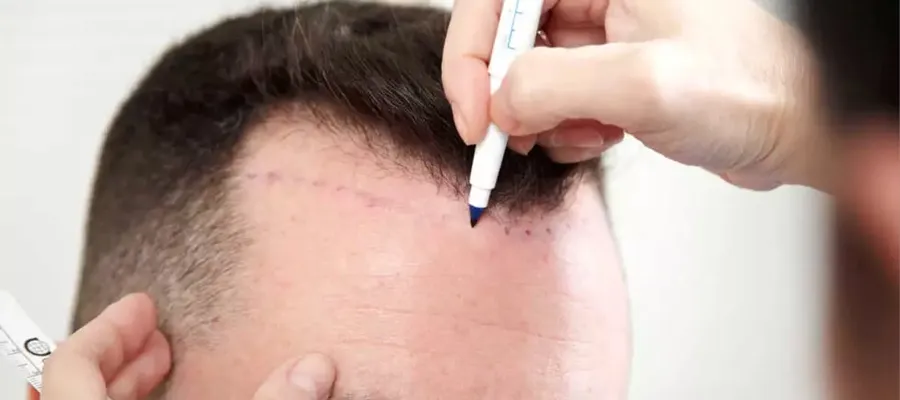
- Design. The beard line, cheeks, moustache and chin are drawn with you, and a shape that suits your face is chosen.
- Local anaesthesia. The donor area and the face are numbed with local anaesthesia.
- Extraction. Mainly single- and two-hair follicles are selected with FUE.
- Implantation. The grafts are placed at the natural angle of beard hair, very close to the skin. DHI or FUE technique may be used at this stage.
Who is it suitable for?
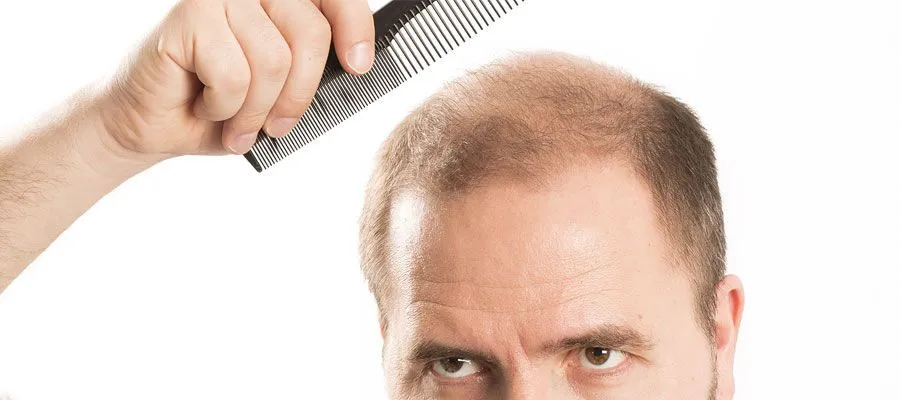
- men whose beard or moustache grows thin or patchy;
- men with gaps in the beard caused by scars, burns or previous surgery;
- men who want a more defined and denser beard line.
The main requirement is enough donor follicles at the back of the head.
How many grafts are needed?
The number of grafts depends on the size of the area to be filled: fewer for the moustache or gaps on the cheeks, more for a full beard. The exact number is decided after the examination and design.
Recovery
- Mild redness and swelling on the face are possible in the first days.
- Small scabs usually fall off within 7–10 days.
- Some of the transplanted hairs may fall out between weeks 2 and 8; this is normal.
- New hairs start to grow after about 3–4 months, and the final result develops over 9–12 months.
You can find detailed aftercare advice in our article on beard transplant aftercare.
Frequently Asked Questions
When can I shave after a beard transplant?
The treated area should not be shaved in the first weeks. Your doctor will tell you, based on your healing, when you can start trimming with scissors and later use a razor; you are usually advised to wait several weeks.
Will there be scars on the face or in the donor area?
Very small openings are used on the face and are usually not visible after healing. Small dot-like marks remain in the donor area; they are usually hidden by the hair at the back of the head.
Does a transplanted beard look natural?
The angle, direction and density of the hairs are key to a natural look and are taken into account during design and implantation. Results vary from person to person.
How long does the procedure take?
Several hours, depending on the number of grafts; it is usually completed in one day.
To have your hair assessed, send the free online hair analysis form or message us on WhatsApp.
This article is for general information and does not replace a medical consultation. The right treatment for you can only be decided by a doctor after an examination.