A hair transplant moves hair follicles from the back and sides of the scalp, the donor area, to areas where hair has thinned or been lost. Dr. Noyan Süalp performs procedures at Dr. Bayer Clinics in Kuruçeşme, Istanbul. This guide explains how the procedure works, which techniques are used and what to expect when you travel to Istanbul for treatment.
How is a hair transplant performed?
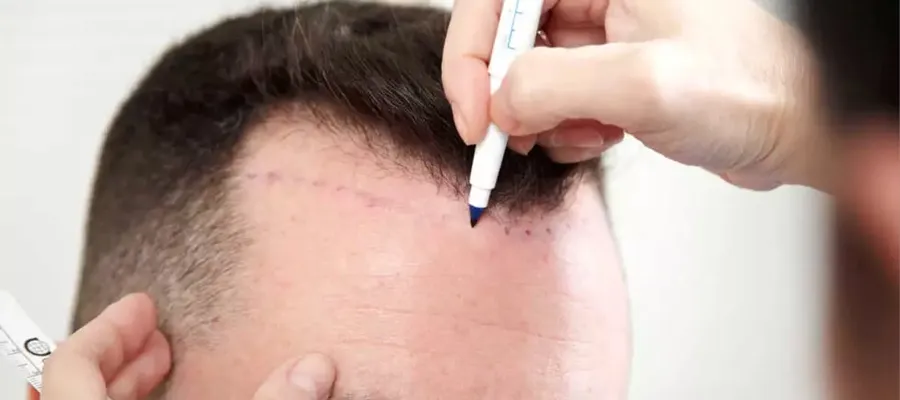
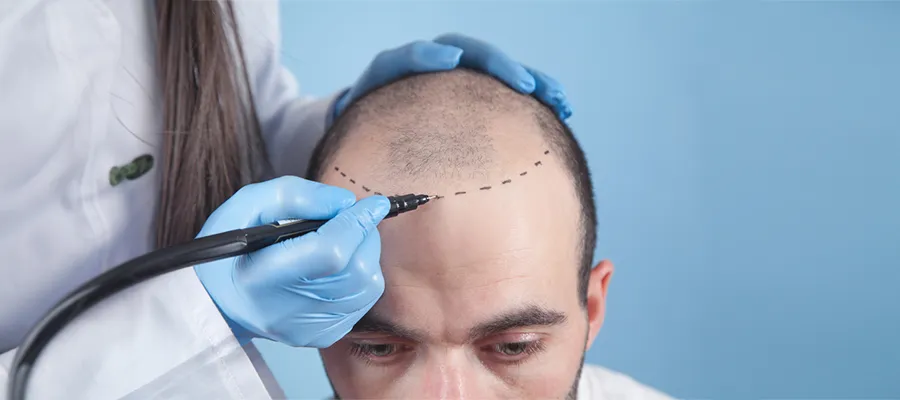
Before the procedure, the doctor assesses the density of your donor area and the type and stage of your hair loss. This assessment determines how many grafts are needed and which technique is used.
The procedure is performed under local anaesthesia. Follicles are removed one by one with micro instruments and then placed in the recipient area following the natural direction and angle of your hair. Depending on the number of grafts it takes several hours, and in most cases it is completed in a single session.
Which techniques are used?
- FUE: follicles are taken one by one from the donor area, micro channels are opened in the recipient area and the grafts are placed into them.
- DHI: grafts are implanted directly with a Choi implanter pen, without opening channels first. This gives more control over the angle and depth of each graft.
- Unshaven hair transplant: a transplant without shaving the whole head, suited to smaller sessions.
The right technique for you is chosen after the assessment. In some cases FUE and DHI are combined in the same procedure.
Who is it suitable for?
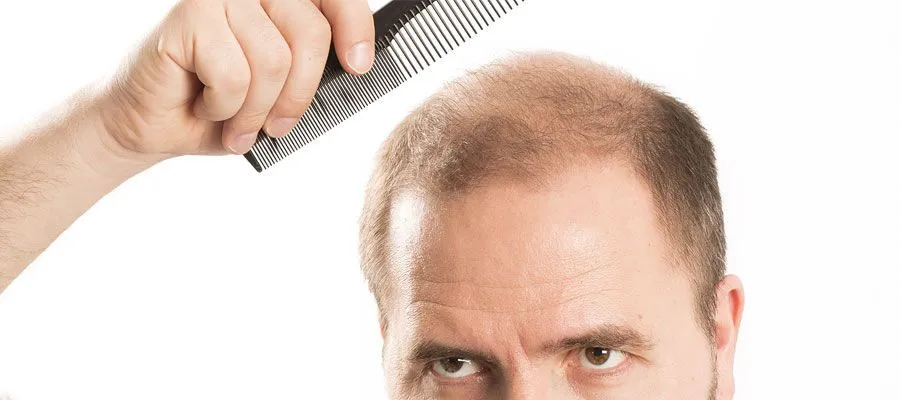
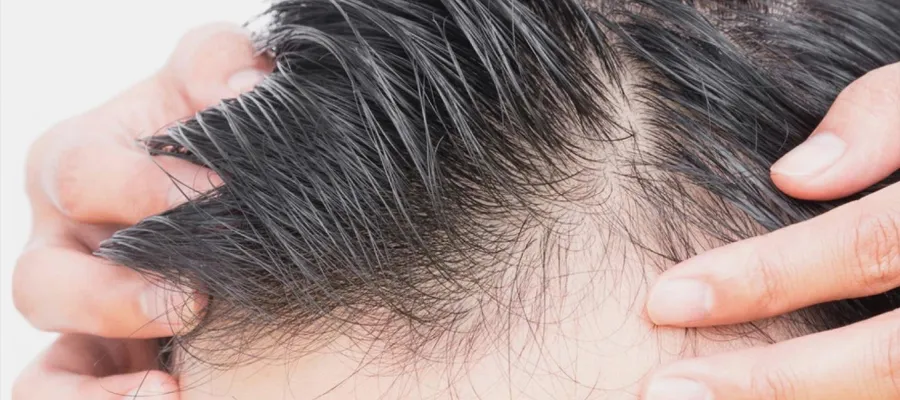
Hair transplantation is most often used for male pattern hair loss (androgenetic alopecia). It may also be considered for a receding hairline, thinning at the crown, scarred areas and some cases of female pattern hair loss. The main requirements are enough healthy follicles in the donor area and general health that allows the procedure.
If your hair loss is still progressing quickly or its cause is unclear (for example iron deficiency or a thyroid problem), the cause should be investigated first.
Travelling to Istanbul for your procedure
Istanbul has two international airports with direct flights from many cities in Europe, the Middle East and beyond. The process usually looks like this:
- Online assessment. You fill in the hair analysis form and send a few photos of your hair.
- Choosing your dates. The technique, the estimated number of grafts and your travel dates are discussed with the team.
- Arrival and tests. On the day you arrive, routine blood tests and a medical examination are carried out.
- Procedure day. The transplant takes place at the clinic under local anaesthesia.
- First wash and check-up. The first wash is done at the clinic and your aftercare routine is explained before you fly home.
Packages can include the procedure, hotel, transfers in Istanbul and aftercare. A hair transplant usually involves around three nights in Istanbul.
Recovery and results
In the first days there may be mild swelling on the forehead, and redness and small scabs in the treated area. The scabs usually fall off within about 10 days. Most patients return to desk work after a few days.
In the weeks after the procedure, some of the transplanted hairs fall out (shock loss); this is normal. New hair usually starts to grow after 3–4 months, a clear change is visible from around month 6 and the final result develops over about 12 months, sometimes longer. Results vary from person to person.
What to consider before the procedure
- Tell the doctor about all medication you take, especially blood thinners.
- Smoking and alcohol can slow healing; a break before and after the procedure is recommended.
- Chronic conditions such as diabetes or high blood pressure should be under control.
- Discuss your expectations openly: donor hair is limited and the plan is made with this in mind.
Frequently Asked Questions
How is the number of grafts determined?
The number of grafts depends on the size of the area to be treated, the density of your donor area and the look you want. An exact number can only be given after an examination; online photos are used for a first assessment.
Is the procedure painful?
The procedure is performed under local anaesthesia. You may feel brief discomfort during the anaesthetic injections. Mild tightness and tenderness afterwards are usually managed with the painkillers your doctor prescribes.
Will there be scars in the donor area?
With FUE and DHI the follicles are removed one by one, which leaves small dot-like marks in the donor area. Once healed, they are usually hard to see under the hair.
When can I return to sport?
Light walking is possible from the first days. For strenuous exercise, swimming pools, saunas and the sea, you are usually advised to wait about a month; your doctor will tell you the exact timing.
Can transplanted hair be cut and coloured?
Yes. Once the hair has grown and the scalp has fully healed, it can be cut, styled and coloured like the rest of your hair. Ask your doctor when it is safe to start colouring.
Will I need further treatment after the transplant?
Transplanted follicles are usually more resistant to hair loss, but your own hair in untreated areas may continue to thin. Some patients are therefore advised to use a treatment that protects their hair or to have hair mesotherapy after the procedure.
Further reading: Before and after results · The Norwood scale · Hair transplant recovery timeline · Is a hair transplant permanent? · FUE vs DHI
To have your hair assessed, send the free online hair analysis form or message us on WhatsApp.
This article is for general information and does not replace a medical consultation. The right treatment for you can only be decided by a doctor after an examination.