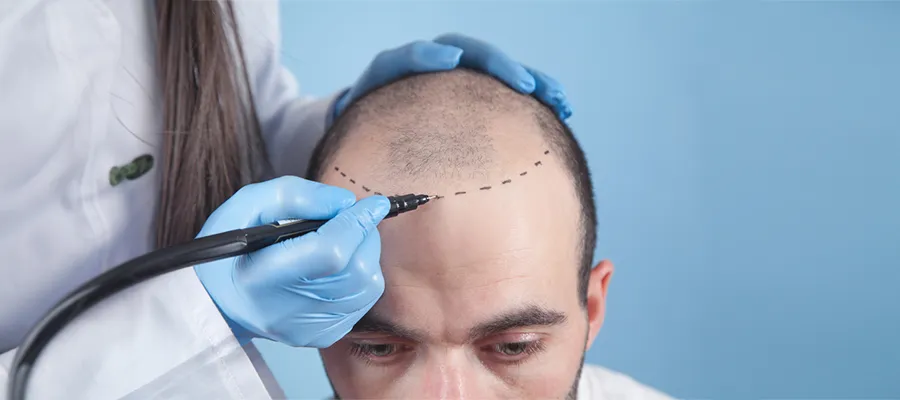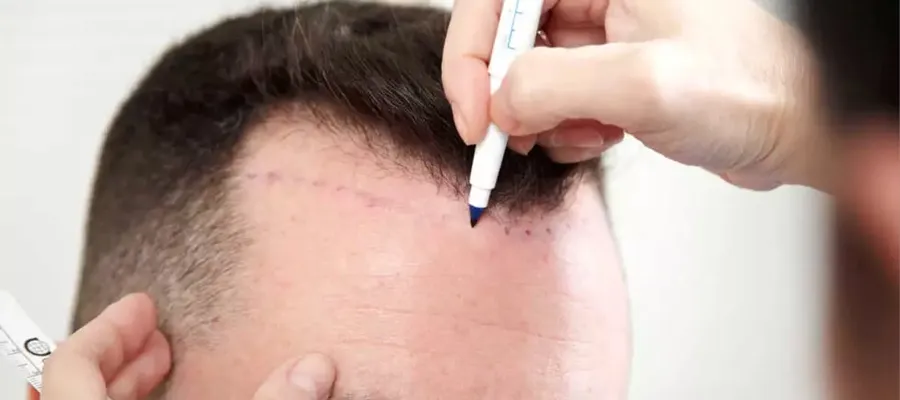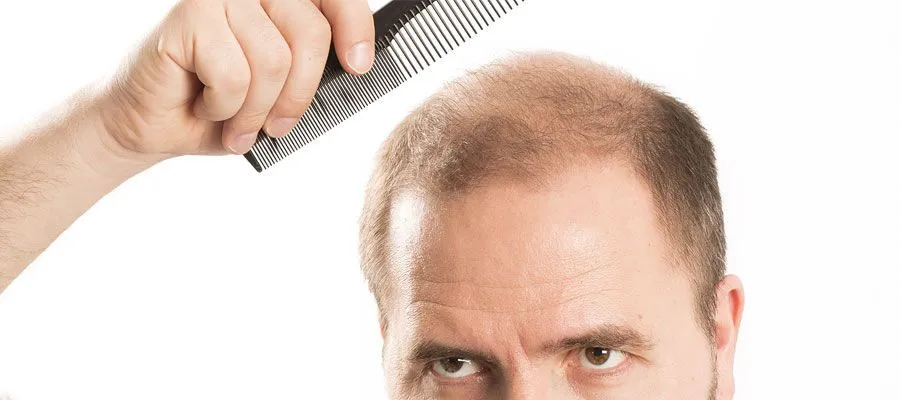
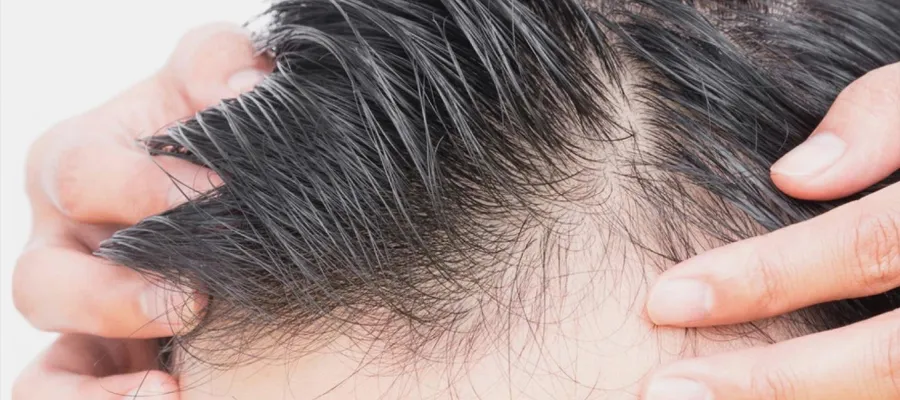
An unshaven hair transplant is a hair transplant in which the whole head is not shaved. In most cases only narrow strips of the donor area, hidden under longer hair, are trimmed, or the follicles are selected and removed from between the long hairs. This approach is meant for people who want to return to daily life without their procedure being noticed.
How is an unshaven hair transplant performed?
The follicles are usually extracted with FUE. In the donor area, either narrow strips hidden under longer hair are trimmed or individual follicles are selected and removed. For the implantation, DHI with the Choi pen is often used so that existing hair is not damaged.
Who is it suitable for?
- patients with thinning in small or medium-sized areas;
- people who want to restore the hairline or add density to a previous transplant;
- women who do not want their hair shaved;
- people who need to return to work quickly after the procedure.
For very large bald areas, when a high number of grafts is needed, a classic shaved procedure may be more suitable.
Advantages and limitations
Advantages: the change in appearance after the procedure is less noticeable, and existing hair partly covers the donor and recipient areas.
Limitations: the procedure takes longer and requires more careful work; the number of grafts that can be extracted in one session may be lower than with a shaved procedure.
Recovery
Recovery is similar to FUE and DHI: mild swelling and redness in the first days, scabs coming off within 7–10 days and possible shock loss in the following weeks. Longer hair makes scabs and redness less visible. New hair starts to grow after about 3–4 months.
Frequently Asked Questions
Is an unshaven transplant possible with very short hair?
The main advantage of the unshaven method is that hair covers the donor and recipient areas. With very short hair this advantage is smaller. The best option for you is decided during the examination.
How many grafts can be extracted unshaven?
The number depends on the density of the donor area and the technique used. Unshaven procedures are usually planned as smaller sessions; the exact number is given after the examination.
Is recovery faster than with a shaved transplant?
The biological healing time is similar. The difference is that existing hair covers the signs of healing, so returning to daily life attracts less attention.
How should I care for my hair after an unshaven transplant?
Follow the washing instructions given at the clinic, do not rub the treated area and avoid using a hairdryer on a hot setting in the first weeks. Ask your doctor when you can colour or cut your hair.
Further reading: Before and after results · FUE vs DHI · Hair transplant recovery timeline
To have your hair assessed, send the free online hair analysis form or message us on WhatsApp.
This article is for general information and does not replace a medical consultation. The right treatment for you can only be decided by a doctor after an examination.