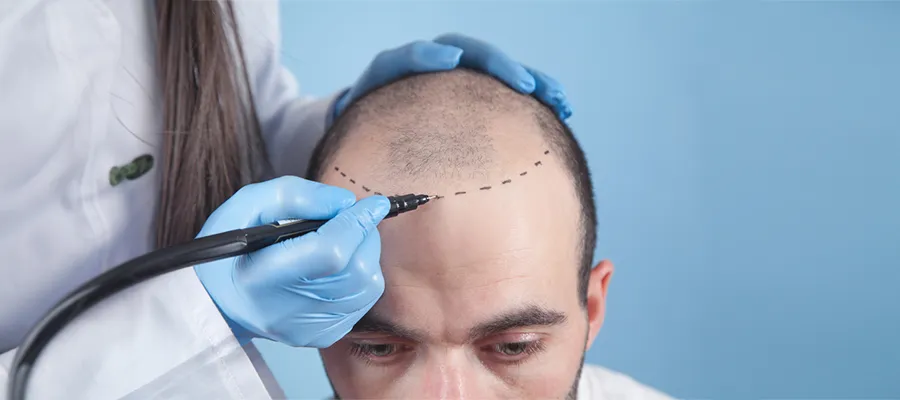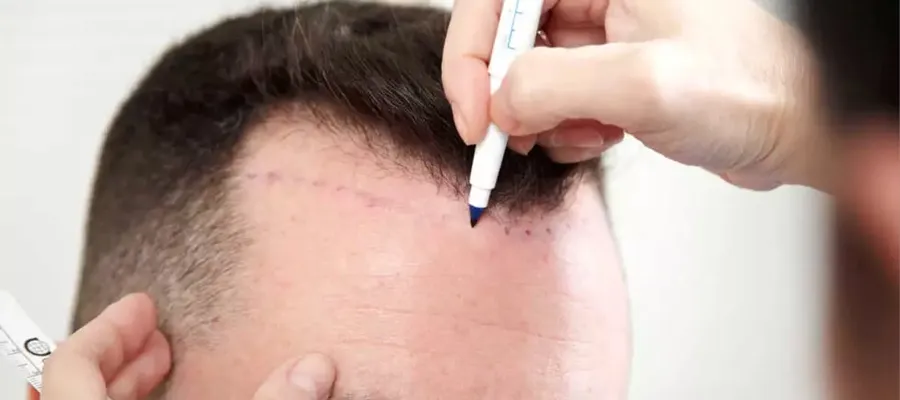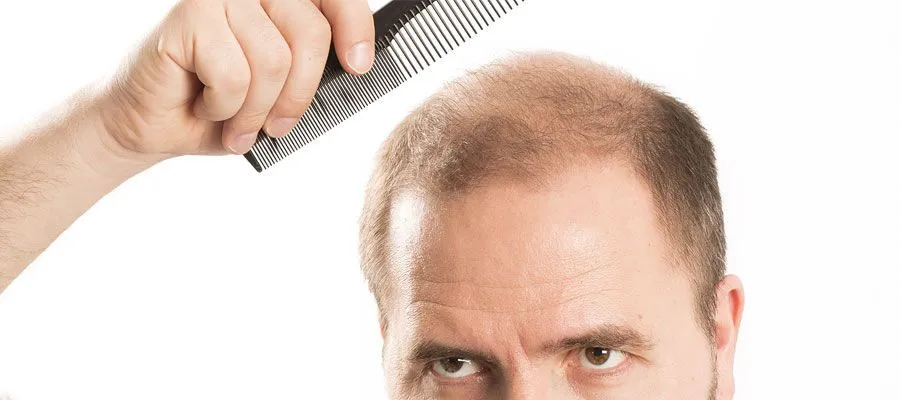

A hair transplant is possible for HIV-positive patients with a proper medical assessment and strict sterilisation procedures. If the virus is controlled with treatment and general health allows it, the procedure is performed with FUE or DHI in the same way as for other patients.
Assessment before the procedure
- regular use of antiretroviral therapy (ART);
- recent viral load and CD4 count results;
- general blood tests and clotting values;
- the opinion of the infectious disease specialist treating you.
This information is needed to plan the procedure safely. All medical information is kept confidential.
How is the hair transplant performed?
The choice of technique is the same as for other patients: the follicles are extracted with FUE and implanted with FUE or DHI. The procedure is performed under local anaesthesia. Strict sterilisation is standard for every patient and protects both the patient and the medical team.
Recovery
In patients whose viral load is under control, recovery is usually no different from other patients: redness and swelling in the first days, scabs coming off within 7–10 days and new hair growing after 3–4 months. Monitoring the healing and watching for signs of infection are especially important.
Frequently Asked Questions
Can I have a hair transplant if my viral load is undetectable?
Yes, this is usually a favourable situation for the procedure. The final decision is made after the tests and the doctor’s assessment.
Is the risk of infection higher?
In patients whose immune system is stable on treatment, the risk is close to that of other patients. Following sterilisation rules and the aftercare advice reduces the risk.
Are the results different?
Results depend on general health, the quality of the donor area and the type of hair loss. In suitable candidates the results can be similar to those of other patients.
Should I take my ART medication on the day of the procedure?
You should continue taking your medication as instructed by your doctor. Tell the team about all medication you take before the procedure.
To have your hair assessed, send the free online hair analysis form or message us on WhatsApp.
This article is for general information and does not replace a medical consultation. The right treatment for you can only be decided by a doctor after an examination.