FUE (Follicular Unit Extraction) is a hair transplant technique in which follicles are removed one by one from the donor area and moved to areas where hair is thinning. Because no strip of skin is cut from the back of the head, FUE does not leave a long linear scar, only small dot-like marks. Dr. Noyan Süalp performs FUE at Dr. Bayer Clinics in Istanbul.
How is an FUE hair transplant performed?
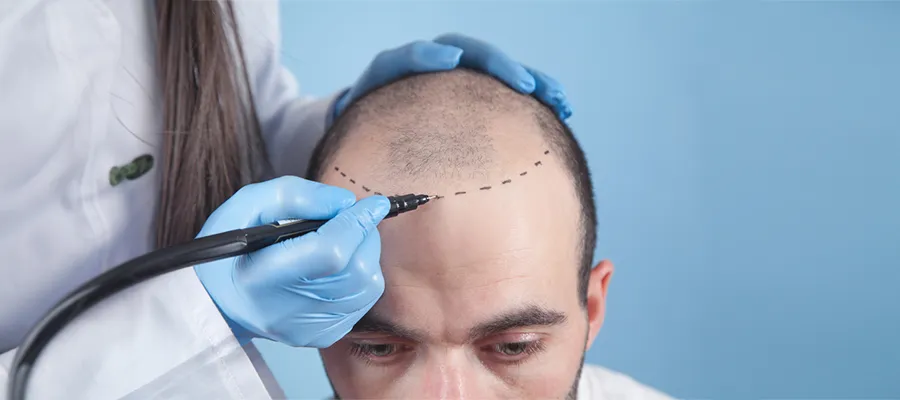
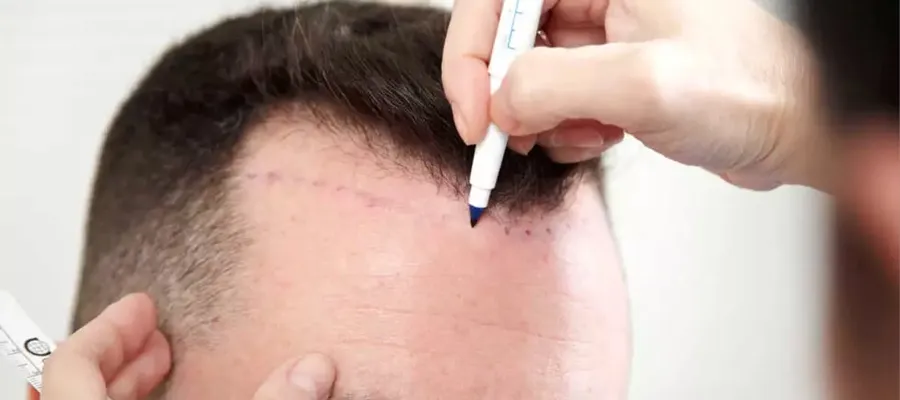
- Planning. The doctor draws the hairline and the area to be treated with you and assesses the density of your donor area.
- Local anaesthesia. The donor and recipient areas are numbed with local anaesthesia; you stay awake throughout the procedure.
- Extraction. Follicles are removed one by one with micro instruments less than 1 mm in diameter and kept in a suitable solution.
- Opening channels. Micro channels are opened in the recipient area following the natural direction and angle of your hair.
- Placing the grafts. The grafts are placed into the channels one by one. Single-hair grafts are usually used along the hairline and grafts with two or three hairs further back.
How long does the procedure take?
The duration depends on the number of grafts. Most FUE procedures are completed in one day, in about 6–8 hours including breaks. Very large areas may be treated in two sessions.
Who is FUE suitable for?
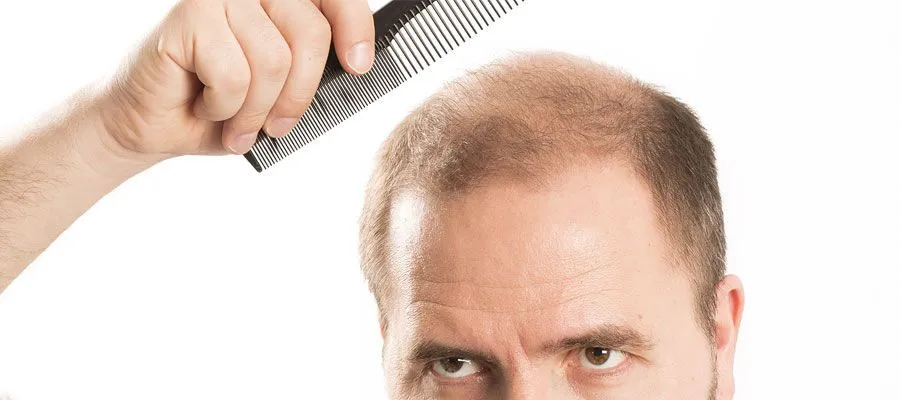
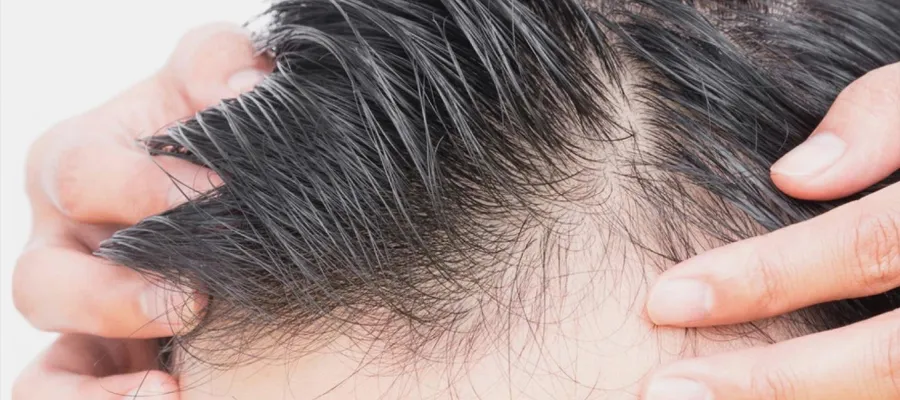
FUE is widely used for male pattern hair loss, a receding hairline and thinning at the crown. There must be enough healthy follicles in the donor area. The cause and stage of your hair loss are assessed during the examination.
What is the difference between FUE and DHI?
In both techniques the follicles are extracted in the same way, one by one. The difference is in the implantation: in FUE, channels are opened first and the grafts are then placed; in DHI, the grafts are implanted directly with a Choi pen without opening channels first. FUE is well suited to covering large areas in one session, while DHI may be chosen for dense packing and detailed work such as the hairline. The choice is made after the assessment.
Recovery
- First 3 days: mild swelling on the forehead is possible. Sleeping in a semi-upright position and not touching the treated area are recommended.
- First wash: usually done at the clinic within 1–2 days of the procedure; you are then shown how to wash your hair at home.
- 7–10 days: the scabs gradually come off with gentle washing.
- 2–8 weeks: some of the transplanted hairs may fall out (shock loss). This is a normal part of the process.
- 3–4 months: new hair starts to grow.
- 12 months: the final result usually develops by this time; the crown may take a little longer.
Possible side effects
The most common side effects are temporary swelling, redness, itching and tenderness in the donor area. Infection or inflammation of the follicles (folliculitis) is rare and usually treatable. Following the aftercare instructions reduces the risks.
Frequently Asked Questions
When can I go back to work after FUE?
Most patients with desk jobs return to work after a few days. Physically demanding work and sport require a longer break.
How many grafts can be transplanted with FUE?
This depends on the density of your donor area and the size of the area to be treated. The exact number is decided after the examination.
Can I cut my hair short after FUE?
Once the donor area has healed you can have your hair cut shorter. For a very short clipper cut you are usually advised to wait a few months; your doctor will tell you the right timing.
Can transplanted hair fall out again?
Follicles taken from the donor area are usually more resistant to hair loss. However, your own hair in untreated areas may thin over time, and your doctor may recommend additional treatment for this.
Further reading: Before and after results · FUE vs DHI · Hair transplant recovery timeline · The Norwood scale
To have your hair assessed, send the free online hair analysis form or message us on WhatsApp.
This article is for general information and does not replace a medical consultation. The right treatment for you can only be decided by a doctor after an examination.