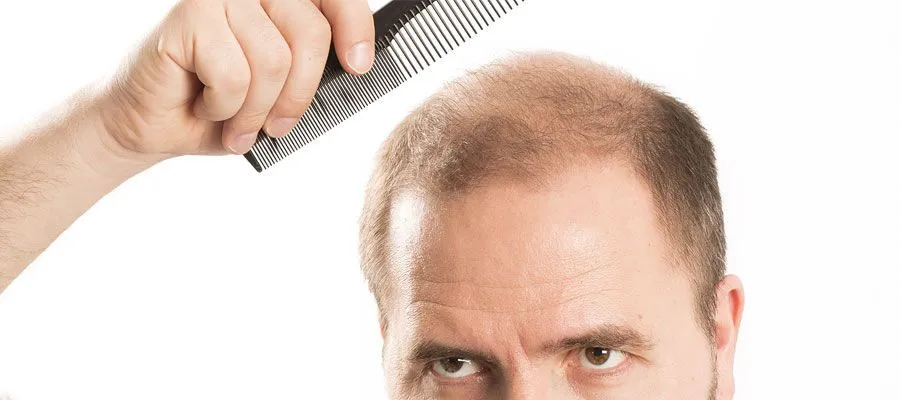
DHI (Direct Hair Implantation) is one of the most advanced techniques we use in hair restoration. It allows us to place hair follicles directly into the scalp using the Choi Implanter Pen, without the need for pre-made incisions. This gives us full control over the angle, depth, and direction of each graft, resulting in a natural hairline and dense, even coverage. In our Denmark clinic, we perform the procedure under local anesthesia to ensure maximum comfort throughout the process.
Patients often choose DHI for its precision, fast recovery time, and natural-looking results. It’s suitable not only for the scalp but also for eyebrows and beard areas. Because the method causes minimal trauma to the skin, healing is quicker and there’s a lower risk of scarring. The success of the procedure relies heavily on the skill of the medical team, and our experienced surgeons ensure that each graft is handled with care to deliver long-lasting, natural results.
How To Get a DHI Hair Transplant Denmark?
To get a DHI hair transplant Denmark, the first step is to schedule a consultation with a reputable clinic that specializes in this method. During the consultation, the surgeon will assess your hair loss pattern, overall health, and suitability for the DHI technique. This is a crucial step to determine whether you are a good candidate for the procedure.
After the initial consultation, the surgeon will provide you with information regarding the procedure, the expected results, and the cost. If you decide to proceed, the clinic will schedule your surgery and give you detailed instructions on how to prepare for the procedure. Preparation may involve avoiding certain medications, refraining from alcohol consumption, and ensuring that your scalp is in optimal condition for the transplant.
The DHI hair transplant procedure itself typically involves two main steps: the extraction of hair follicles from the donor area (usually the back of the head) and their implantation directly into the recipient area. The entire procedure typically takes around 6 to 8 hours, depending on the extent of the transplant and the number of grafts required. Patients can return home the same day, although they may need to take a few days off from work to allow for the initial healing process.
DHI Transplant Method
The DHI hair transplant method is an evolution of traditional FUE (Follicular Unit Extraction). In this technique, follicles are still harvested one by one from the donor area, but the key difference lies in the implantation process. A Choi Implanter Pen is used to place follicles directly into the scalp, eliminating the need for pre‑made incisions.
This tool offers greater control over angle, depth and direction of each graft, which reduces trauma, enhances graft survival and supports a denser, more natural‑looking result. Because no large cuts are made, healing can be quicker and scarring minimal.
What Is The Difference Between DHI Hair Transplantation?
While FUE and FUT involve extracting follicles and making recipient site slits or strips, DHI skips the incision step by using the implanter pen for direct placement. This reduces handling time of the grafts and preserves their vitality, improving chances of growth.
In summary, DHI allows for higher precision in placement, less traumatic procedure on the scalp and often faster recovery compared to older methods like FUT or standard FUE with slit creation.
Things To Consider About DHI Hair Transplantation
Selecting an experienced surgeon who is skilled with the implanter pen is essential, as placement precision greatly influences the outcome. A detailed consultation should determine whether DHI suits your case — suitable candidates are those with mild to moderate hair loss and good donor hair supply.
Although DHI is minimally invasive, it still requires proper after‑care. You may experience mild soreness or redness and must follow post‑operative instructions closely to protect grafts and support optimal healing.
What Are The Complications And Risks?
When performed by a qualified team, risks of DHI transplantation are low. Potential complications include infection (especially if after‑care is neglected), visible scarring (rare with DHI), and poor graft survival due to improper handling.
One normal phenomenon is “shock loss”, where previously existing hairs temporarily shed after surgery — this is not a failure but part of the growth cycle. Rarely, allergic reactions to anesthesia or prolonged healing may occur, particularly in complex cases.
DHI Transplant Recovery Time
Recovery after a DHI transplant is typically faster and less uncomfortable than older methods due to minimal incisions. Most patients resume light normal activities within a few days. Initial redness or swelling often subsides within 3‑7 days when proper care is taken.
Full growth still takes months: transplanted hairs may shed initially, followed by new growth over the next 3‑4 months, with final results generally visible around 12 months. Patience and adherence to after‑care are critical.
DHI Hair Transplant Denmark Cost 2026
Costs for a DHI hair transplant in Denmark in 2026 will vary depending on clinic reputation, surgeon experience and number of grafts required. Typical price range falls between €2,500 and €8,000 or more.
Packages including consultation, surgery and follow‑up care may help manage cost. Higher fees may apply in major cities like Copenhagen or for surgeons with a leading reputation, so comparing multiple clinics is advised.
Frequently Asked Questions (FAQ)
How Many Days Does It Take For DHI Hair Transplantation To Heal?
Healing time after a DHI hair transplant is generally shorter than traditional methods because the procedure is less invasive. Most patients can resume their normal daily activities within a few days, though vigorous physical activity or strong sun exposure should be avoided for about a week.
Immediately post‑procedure, mild swelling, redness or scabbing may appear in both donor and recipient areas; these symptoms are common and usually subside within 3 to 7 days. During this period, following after‑care instructions—such as avoiding pressure or irritation on the scalp—is important for optimum recovery.
How Long Does It Take To See DHI Hair Transplant Results?
After a DHI transplant, early signs of new hair growth often become noticeable within 3 to 4 months, although it’s typical to experience shedding (“shock loss”) in the initial weeks as follicles enter a new growth phase. This is a normal part of the process, not an indication of failure.
As months progress, hair gradually thickens and improves in coverage; by around 6 months, patients typically see clearer results, with full maturation and blending of the transplanted hair often occurring by 12 months. Individual growth rates vary, and regular follow‑up ensures the best outcome.
How Long Does The Procedure Take?
The duration of a DHI transplant depends on graft number and area size, but on average it takes about 6 to 8 hours for a single‑session treatment. For larger graft counts, the procedure may be split across two days to maintain precision and patient comfort.
On the day of the procedure, donor‑area preparation is followed by implantation via the Choi Implanter Pen, which allows direct placement without incisions. Most patients go home the same day, and though mild swelling or redness may occur, normal activity is typically resumed within a week.
Is DHI Hair Transplant Painful?
No major pain is usually experienced during the procedure thanks to local anesthesia applied to donor and recipient areas, ensuring the scalp is fully numbed during extraction and implantation. The use of the Choi Implanter Pen also reduces trauma by placing follicles directly with precision.
Post‑procedure, some mild soreness, redness or scabbing may occur once the anesthesia wears off. These effects are transient and can be managed effectively with medication and proper care, enabling a smooth recovery for most patients.